
Headlines
US Report Says 30,000 Armed Fulani Militants Operating Across Nigeria
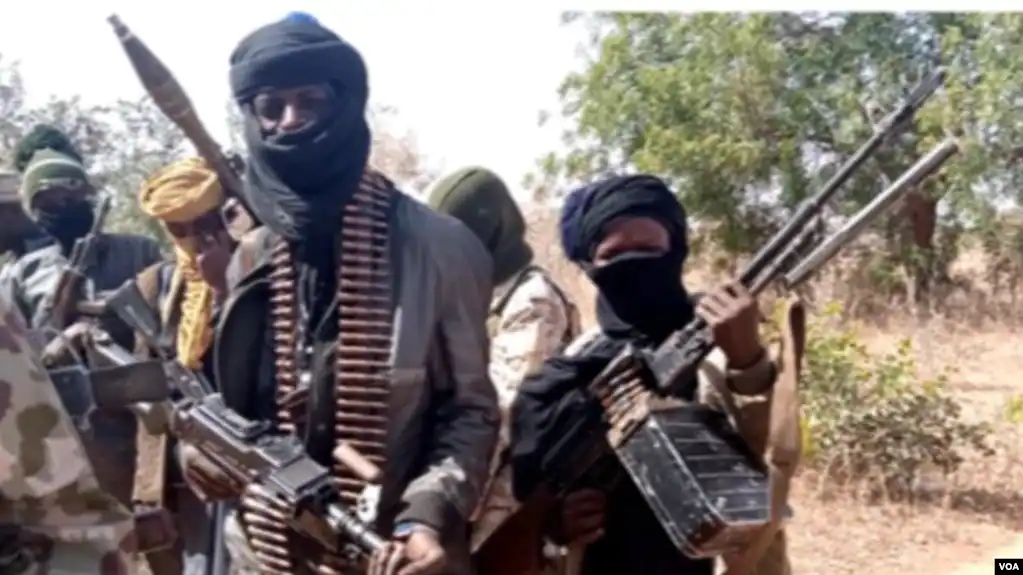
A new report by the United States Commission on International Religious Freedom has estimated that about 30,000 armed Fulani militants are currently operating across Nigeria, describing them as among the deadliest non-state actors responsible for religious freedom violations and violent attacks in the country.
The report, released in May 2026 and titled “Nonstate Violators of Religious Freedom in Nigeria: Fulani Militants,” stated that the armed groups operate in cells ranging from 10 to 1,000 fighters and have intensified insecurity across Nigeria’s Middle Belt and southern regions.
According to the commission, the activities of the militants have contributed significantly to killings, kidnappings, displacement and rising religious and communal tensions nationwide.
“Violence by Fulani militants caused the highest number of deaths among all religious communities in Nigeria over the last year as compared to attacks by organised insurgent groups and criminal gangs,” the report stated.
The report said many of the attacks targeted Christian farming communities, although Muslim communities had also suffered deadly raids, abductions and destruction of property.
USCIRF noted that while the armed groups lack a centralised command structure, some factions reportedly collaborate with bandit networks and extremist organisations operating across Nigeria and the wider Sahel region.
“These actors operate in a variety of contexts and with a multiplicity of likely aims and motivations,” the report explained.
“While many Fulani militant groups wage independent attacks, others periodically coordinate with a wide range of other actors, from conventional bandit gangs seeking financial enrichment to recognised terrorist organisations.”
The commission stated that the attackers often strike isolated rural settlements at night using motorcycles, automatic rifles and machetes to terrorise residents and force them to flee their communities.
“They often wield machetes and descend on vulnerable communities during the night, eliciting terror as a way to force victims to quickly leave and to achieve greater control of desired land,” the report added.
The report linked the violence to the displacement of at least 1.3 million people across Nigeria’s Middle Belt region, where communities have increasingly been forced into internally displaced persons camps.
According to USCIRF, many of the camps remain overcrowded and face serious shortages of food, sanitation, healthcare and security protection.
The report highlighted several deadly incidents recorded in 2025 and early 2026, particularly in Benue State and Plateau State, both of which have experienced recurring attacks linked to farmer-herder conflicts and armed militancy.
One of the incidents referenced involved a June 2025 attack in Benue State in which at least 200 people, including displaced persons sheltering in a Catholic mission, were reportedly killed.
Nigeria has for years struggled with overlapping security crises involving insurgency, banditry, communal violence and organised criminal networks.
Violence involving armed herders and farming communities has remained particularly severe in the Middle Belt, where disputes over land, grazing routes and ethnic tensions frequently escalate into deadly clashes.
Human rights organisations and religious groups have repeatedly called on the Nigerian government to strengthen security responses and address the root causes of the violence, including poverty, weak law enforcement, illegal arms proliferation and climate-related pressures affecting grazing land.
The report is likely to renew international attention on Nigeria’s security situation and increase calls for stronger action to protect vulnerable communities and improve accountability for attacks.