
Entertainment
Afrobeats Origin Debate Heats Up as AOT2 Slams Fat Joe’s Jamaica Claim
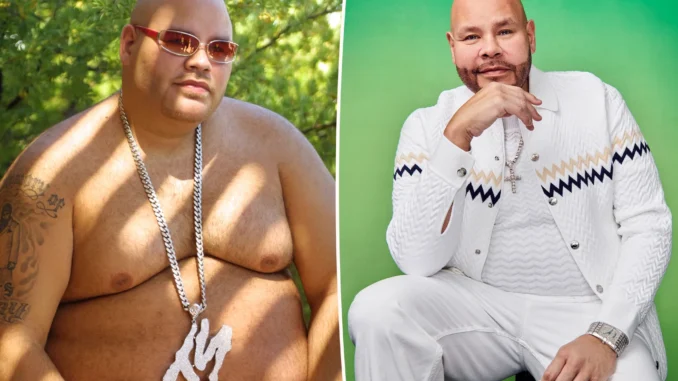
Nigerian content creator and pop culture commentator Ayomide Oluwasegun Tayo, popularly known as AOT2, has criticized American rapper Joseph Antonio Cartagena, also known as Fat Joe, over his claim that Jamaica is the origin of Afrobeats.
The controversy began during a recent episode of the Joe and Jada Podcast, where Fat Joe, speaking alongside reggae and dancehall star Buju Banton, stated that Jamaicans started Afrobeats. The remark quickly sparked backlash from Nigerian music analysts and cultural commentators.
Responding to the claim, AOT2 dismissed it as inaccurate and frustrating, insisting that Afrobeats is rooted in West Africa. According to him, both Nigeria and Ghana are the true creators of the genre.
“It’s 2026, let’s stop this. Jamaica did not start Afrobeats, England did not start Afrobeats, Liberia did not start Afrobeats. Ghana and Nigeria created Afrobeats,” he said, expressing concern over what he described as misinformation being spread by influential figures.
While acknowledging that Afrobeats incorporates elements of dancehall, AOT2 emphasized that such influences do not equate to origin. He further warned against cultural misrepresentation, urging that the “true custodians” of the genre be allowed to define its history.
The debate also extended to Nigerian singer Daniel Benson, formerly known as Buju. During the podcast, Fat Joe mocked the artist’s previous stage name, claiming he had to change it after being told that the name “Buju” was globally associated with Buju Banton.
However, Buju Banton clarified that he does not hold exclusive rights to the name. The reggae icon explained that “Buju” was a childhood nickname given by his mother, while “Banton” was inspired by Jamaican DJ Burr Banton.
The exchange has since fueled wider conversations about the origins of Afrobeats, cultural ownership, and the global recognition of African music.